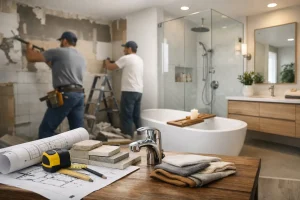

A bathroom renovation can look simple on paper: choose a new shower, replace the tiles and update the basin. In reality, it involves decisions, deliveries, trades and timings that all need to work together. A fully managed bathroom renovation brings those moving parts under one roof, so you have one experienced team guiding the project from the first idea to the finishing touches.
For homeowners around St Neots and Cambridgeshire, that can mean the difference between a bathroom project that takes over the house and one that feels planned, clear and well looked after. No jargon. No stress. Just a bathroom designed around the way you live.
What a fully managed bathroom renovation includes
A managed service is more than having somebody fit the products you have already bought. It begins with understanding the room, the property and what you need from the space every day. Perhaps your family bathroom needs more storage and a tougher finish. Perhaps you want a calm, hotel-inspired en-suite. Or perhaps getting in and out of the bath is becoming difficult, and safety needs to sit alongside style.
The design stage turns those needs into a workable plan. This includes measuring the room carefully, considering plumbing and electrical positions, planning storage, choosing a layout and helping you select products that suit both the design and your budget. A good design does not simply make the room look attractive. It makes sure drawers can open, shower screens have enough clearance and the room remains easy to clean and use.
Once the design is agreed, the same team can organise the supply of bathroom furniture, sanitaryware, brassware, showering, tiles, wall panels and accessories. This avoids the common problem of discovering halfway through a project that a chosen basin will not work with the vanity unit, or that a tile is no longer available in the required quantity.
Installation is then coordinated in the correct order. Depending on the project, this may involve removing the old bathroom, preparing walls and floors, adjusting pipework, completing electrical work, fitting a shower tray or bath, tiling or panelling, installing furniture and adding the final finishing details. Rather than asking you to chase several separate trades, a managed service gives you one point of contact throughout.
Why one coordinated team makes a real difference
Bathrooms are small rooms with little margin for error. A few centimetres can affect whether a toilet feels cramped, a shower leaks or a cupboard door catches the radiator. The choices made at the beginning directly affect the quality of the finished room.
When the designer, product supplier and installation team communicate from the outset, practical issues can be dealt with before work begins. If a wall is not suitable for a heavy wall-hung unit, for example, the solution can be planned rather than improvised on fitting day. If existing pipework limits the position of a shower, you can decide whether moving it is worthwhile before committing to a layout.
This joined-up approach also makes budgeting clearer. Every renovation has variables, particularly in older properties where hidden issues can appear once the old room is removed. However, careful surveying and a detailed plan reduce avoidable surprises. You should understand what is included, what may affect the cost and where there is flexibility to make choices.
A fully managed service is not necessarily the cheapest route at the very start. Sourcing every item yourself and arranging individual trades can appear less expensive. But it requires time, knowledge and a willingness to manage delivery dates, compatibility and any problems between trades. For many homeowners, the value lies in having the work planned properly and accountability resting with one trusted specialist.
Design for the life you live
The best bathroom designs are personal. A busy household may benefit from a larger vanity unit, easy-clean wall panels and a shower bath that gives everyone options. A couple renovating their long-term home may prefer a generous walk-in shower, layered lighting and furniture that keeps everyday items out of sight.
It is tempting to focus on the statement tile or the tap finish first. These details matter, but the layout should lead the design. Consider how many people use the room, whether you need a bath, how much storage is genuinely required and how easy the surfaces will be to maintain. A beautiful bathroom that creates daily inconvenience will soon lose its appeal.
Small bathrooms need especially careful planning. Wall-hung furniture can create a more open feel, while a well-positioned mirror and lighting can make the room brighter. Larger tiles or wall panelling may reduce grout lines and cleaning time, but the right choice depends on the room’s proportions and the look you want to achieve. There is no single formula, which is why seeing materials and layouts discussed in person can be so useful.
At The Bathroom Magician, the aim is to combine that practical planning with a design that feels considered and individual, not copied from a catalogue page.
Choosing materials that will still work hard in years to come
Bathrooms have to cope with moisture, heat, regular cleaning and constant use. The right material is not simply the one that looks best under showroom lighting. It needs to suit the room and the people using it.
Tiles offer enormous choice in colour, texture and pattern, and can create a highly tailored finish. They are a strong option for shower areas when fitted properly, although grout does need regular cleaning. Wall panels offer a different benefit: fewer joins, quick installation and a low-maintenance surface. They can be particularly appealing in family bathrooms, shower rooms and mobility-focused spaces where ease of cleaning matters.
For flooring, slip resistance should be considered alongside appearance. This is particularly relevant for households with young children, older relatives or anyone with reduced mobility. A surface that feels secure underfoot can make a significant difference without making the room feel clinical.
Fixtures should also be chosen for everyday reliability. A quality shower valve, practical basin tap and well-made furniture are worth prioritising because they are used repeatedly. If your budget needs to be balanced, it is usually wiser to protect the essentials behind the walls and the components used most often, then adjust decorative choices where appropriate.
Mobility bathrooms without compromising on style
A bathroom designed for easier access should support confidence and independence, while still feeling like part of your home. That may mean replacing a high-sided bath with a low-level shower, creating a wet room floor, adding discreet grab rails or choosing a comfort-height toilet and easy-to-use shower controls.
The right solution depends on present needs and future plans. A wet room can offer excellent access and a clean, open appearance, but it requires correct floor preparation and waterproofing. A low-level shower tray may be a better fit where the room layout or existing floor construction makes a full wet room less practical.
Thoughtful details matter here. Good lighting, a shower seat, non-slip flooring, easy-grip handles and sufficient turning space can all make daily routines more comfortable. These features need not dominate the design. With considered product choices, an accessible bathroom can feel warm, modern and reassuringly easy to use.
What to expect while the work is under way
Even the best-planned renovation causes some temporary disruption. Your existing bathroom will be out of action for part of the installation, and there will be noise, dust and tradespeople in the house. A professional team should set expectations clearly, protect nearby areas where possible and keep you informed as work progresses.
Before work starts, ask how long the project is likely to take, who will be on site and how changes will be handled if an unforeseen issue is found. You may also need to plan around the loss of your main bathroom, especially if it is the only one in the property. Clear communication is what turns an inconvenient period into a manageable one.
The final stage should not be rushed. Fitting accessories, sealing edges, checking doors and drawers, testing the shower and making sure you understand how everything works are all part of delivering a bathroom ready for real life.
A bathroom should make mornings easier, evenings more relaxing and everyday routines safer. If you are considering a renovation, begin with how you want the room to work for you – the right managed team can take care of the rest.