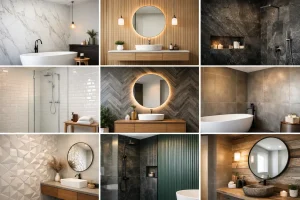

A bathroom wall has to cope with far more than a quick splash from the basin. Steam, shower spray, shampoo bottles, busy family mornings and everyday cleaning all take their toll. The best bathroom wall panel designs bring together the look you want with a surface that is easy to live with, helping you create a room that feels considered without adding unnecessary maintenance.
Wall panels are a particularly practical alternative to fully tiled walls. With fewer joints to clean, they can give shower areas and full bathrooms a clean, continuous finish. The right choice depends on the size of your room, the amount of natural light, your existing fittings and, most importantly, how you use the space each day.
Choosing the best bathroom wall panel designs for your home
A wall panel can be the quiet backdrop to a statement bath, or it can become the feature that gives the whole room its character. Before settling on a pattern, think about scale. Large-format stone or marble effects can make a compact ensuite feel calmer because there are fewer visual breaks. Stronger patterns and darker tones often work best on one wall, in a shower enclosure, or in a larger bathroom with good lighting.
Finish matters too. Gloss panels reflect light and suit rooms where brightness is the priority, while a matt surface tends to feel softer and more contemporary. Textured effects can add warmth, but they should still be smooth enough to wipe down easily. A good installation is just as important as the panel itself, particularly around showers, baths and corners where a watertight finish is essential.
1. Soft white marble-effect panels
White marble-effect panels are a reliable choice for homeowners who want a brighter, more luxurious bathroom without the upkeep of natural stone. Fine grey veining adds interest while keeping the room light, making this design especially effective in smaller bathrooms or spaces with limited daylight.
Pair it with brushed brass for a warmer, classic look, or chrome fittings for a crisp finish. Choose a subtle vein rather than a busy pattern if the room is compact. This keeps the effect elegant rather than overwhelming.
2. Warm beige stone for a relaxed feel
Beige, sand and pale travertine-style panels have become a popular alternative to cool grey schemes. They bring a gentle warmth that works well with oak-effect furniture, off-white sanitaryware and soft lighting. For a family bathroom, this is a forgiving choice that feels welcoming rather than overly formal.
The trade-off is that very pale warm tones need thoughtful lighting. Under cool, blue-toned bulbs, beige can look flat. A warm white light will bring out the natural depth of the finish and make the room feel more comfortable in the evening.
3. Slate-effect shower walls
Slate-effect panels offer the character of stone with a more practical, low-maintenance surface. Charcoal, mid-grey and deep graphite finishes can create a smart shower zone, especially when combined with a clear glass screen and simple chrome or black fittings.
A dark panel can make a generous bathroom feel grounded and sophisticated. In a small cloakroom or ensuite, use it on the shower wall only and balance it with lighter walls elsewhere. This prevents the room from feeling enclosed.
4. Vertical fluted panels for modern texture
Fluted or ribbed wall panels introduce texture without relying on a bold printed pattern. They are often used behind a basin or vanity unit, where they create a focal point that still feels calm and refined. In softer shades such as sage, taupe or warm white, the look is modern but not likely to date quickly.
This style is best used outside the main wet area unless the chosen panel system is specifically designed and fitted for shower use. It also suits a feature wall more than every surface in the room. A little texture goes a long way.
5. Wood-effect panels that add warmth
Wood-effect bathroom panels can make a bathroom feel less clinical, particularly in a home where the rest of the interior has natural finishes. Light oak effects work beautifully with white basins and stone-look flooring, while darker walnut shades lend themselves to a more dramatic, hotel-inspired scheme.
For a lasting result, avoid trying to match several different wood tones exactly. It is usually better to choose one dominant wood-effect finish and let it contrast gently with painted furniture or flooring. Used around a bath or on a vanity wall, timber-look panels can add warmth without the concerns of using real wood in a humid room.
6. Deep green feature walls
Forest green, olive and muted eucalyptus shades give a bathroom a richer, more individual feel. A deep green panel behind a freestanding bath or vanity can turn an ordinary wall into a confident feature, particularly when paired with brass, bronze or matt black accessories.
Dark colours need balance. They look their best when there is enough light, either from a window, carefully positioned ceiling lights or illuminated mirrors. In a smaller bathroom, a green feature panel with pale surrounding walls is usually more successful than covering the entire room.
7. Blue panels with a coastal feel
Blue is a natural fit for bathrooms, but the shade makes all the difference. Pale blue-grey brings a fresh, airy quality to a compact space, while navy panels create a more tailored look in a larger room. Navy works particularly well with white sanitaryware and pale flooring, giving clear contrast without feeling harsh.
If you are renovating a bathroom intended for long-term use, a muted blue is often the safer choice than a very bright tone. It has personality, yet it remains easy to coordinate if you change towels, accessories or furniture later on.
8. Concrete-effect panels for clean-lined bathrooms
Concrete-effect panels suit homeowners who prefer a minimalist look. Their gentle variation and matt appearance can create a contemporary wet room or walk-in shower with a calm, architectural feel. They work well with wall-hung furniture, concealed storage and slimline shower screens.
The key is to soften the scheme elsewhere. Add warmth through a timber vanity, a coloured towel rail or a well-chosen mirror. Without those details, a concrete look can feel cooler than intended, particularly in north-facing rooms.
9. Bold geometric or terrazzo accents
For homeowners who want something less expected, geometric and terrazzo-effect panels can make a striking feature behind a basin or within a shower enclosure. Terrazzo brings several colours into one surface, which makes it easier to pick out an accent shade for a vanity unit, flooring or accessories.
These are among the best bathroom wall panel designs for adding personality, but placement is crucial. A bold design across every wall can become tiring over time. Use it as a focal point, then choose plain complementary panels for the surrounding walls.
Plan the panel layout, not just the colour
The best results come from considering where panel joins will sit before products are ordered. A well-planned layout can centre a pattern behind a basin, avoid awkward narrow strips at corners and ensure the shower area looks intentional from the doorway. Ceiling-height panels can make a room feel taller, while a half-height panel with a painted upper wall offers a more traditional look.
For accessible bathrooms and mobility-focused renovations, smooth wall panels are particularly useful. They are easy to clean, have fewer grout lines, and can create a calm backdrop for practical additions such as grab rails, shower seating and level-access showers. Colour contrast can also help define fittings and make the space easier to use safely.
Make your choice with the whole bathroom in mind
Do not choose wall panels in isolation. Bring together the panel sample, flooring, furniture finish and metalwork before making a final decision. What looks perfect under showroom lighting can appear quite different in a bathroom with a small window or a particular light fitting.
At The Bathroom Magician, a complete bathroom design service helps homeowners see how every element will work together before installation begins. The most satisfying bathrooms are not necessarily the most dramatic ones. They are the rooms where the wall finish, layout and everyday practical details all feel right from the first morning you use them.