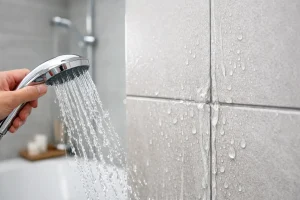

A shower wall has to deal with far more than the occasional splash. It faces daily hot water, steam, soap residue and constant changes in temperature. So, are bathroom wall panels waterproof? Quality panels designed for bathroom use can be fully waterproof on their face and, when installed as a complete system, provide a reliable watertight surface for shower enclosures and other wet areas.
The key word is system. The panel itself matters, but so do the joints, trims, sealant and the condition of the wall behind it. Choose the right product and have it fitted properly, and wall panels can be a stylish, low-maintenance alternative to tiles. Cut corners on materials or installation, and water can still find a way through.
Are bathroom wall panels waterproof in a shower?
Many bathroom wall panels are made specifically to be waterproof, not merely water-resistant. These are suitable for high-moisture areas, including shower walls, provided the manufacturer confirms that use and the installation follows their guidance.
The most dependable shower panels usually have a waterproof core or backing with a non-porous decorative surface. Common options include PVC panels, acrylic panels and composite boards. They are made to repel water rather than absorb it, so there are no grout lines to discolour or crack over time.
That does not mean every panel sold for a bathroom belongs inside a shower. Some decorative wall boards are intended for lower-splash areas such as behind a basin or around a bath. Others may have a timber-based core that is only suitable where direct water contact is unlikely. The label, specification and intended location all matter.
For a shower, ask whether the product is approved for continuous wet use, rather than assuming that a panel described as ‘bathroom suitable’ will do the same job.
Waterproof panels versus water-resistant finishes
The difference may sound small, but it is important when planning a renovation.
A waterproof wall panel is designed to stop water passing through its surface. Correctly sealed joints and edges make the finished wall suitable for regular direct spray. A water-resistant finish can cope with humidity, condensation and occasional splashes, but may not withstand a powerful shower used every day.
Paint, wallpaper, standard MDF panelling and some laminate-style boards can look excellent in the right part of a bathroom. However, they should not be treated as an alternative to a shower panel. Moisture can enter at an edge, joint or fixing point, leading to swelling, peeling or damage to the wall beneath.
This is why a well-designed bathroom often uses different finishes in different zones. Fully waterproof panels can protect the shower area, while decorative panelling or painted walls may suit a well-ventilated section away from direct water.
What makes a wall panel installation watertight?
A panel can only perform as well as its fitting. Water does not usually pass through the middle of a quality panel. Problems are more likely to begin at a joint, around a shower valve, along the bath edge or where a wall meets the floor.
Joints, trims and sealant
Panels are joined using purpose-made trims or a tongue-and-groove connection, depending on the product. These junctions need to be clean, correctly aligned and sealed where required. Matching internal and external corner trims help create a neat finish while protecting vulnerable edges.
High-quality sanitary sealant is then used around the perimeter – particularly where panels meet a shower tray, bath, worktop or window reveal. Sealant is not an afterthought. It is an essential part of keeping water on the right side of the wall.
Over time, even good sealant needs checking. If it becomes split, loose, mouldy or pulled away from the surface, it should be removed and replaced before moisture gets behind the panels.
The wall behind the panel
The background wall must be sound, dry and suitable for fixing. Fitting panels over loose tiles, damp plaster or crumbling surfaces can compromise the finish, even if the new panels look perfect on day one.
In some cases, panels can be installed over existing tiles, which can reduce disruption and save time. But this is only sensible where the tiled wall is firmly bonded, reasonably flat and free from signs of water damage. A professional survey will identify whether preparation, boarding or repair is needed first.
Cut-outs for fittings
Shower controls, riser rails, shelves and grab rails all require careful planning. Each cut-out creates an edge that needs protecting from water. The correct seals, gaskets and fixings are especially important in mobility bathrooms, where safety rails must be securely anchored without creating a route for moisture behind the wall.
Where bathroom wall panels work best
Wall panels are a particularly strong choice in shower enclosures, over baths with a shower above, and behind basins where daily splashing is likely. Their large format means there are fewer joints than with tiles, which makes cleaning simpler and reduces the amount of maintenance required.
They can also work beautifully across an entire bathroom. A marble-effect panel can bring the look of natural stone without the sealing and grout care that real stone or tiles may require. Softer neutral finishes can make a compact cloakroom feel brighter, while darker designs can add character to a larger family bathroom.
For homeowners planning an accessible bathroom, panels offer a practical advantage. A smooth, easy-clean wall surface is simpler to maintain, and the right colour contrast can help define shower areas and fittings. In a wet room, however, the panel specification and waterproofing detail need particularly careful attention. The floor, drainage, wall junctions and shower zone must be designed as one coordinated waterproof solution.
The practical benefits of waterproof wall panels
The appeal is not just about preventing leaks. Panels can make day-to-day bathroom life easier.
Unlike tiled walls, there is little or no grout to scrub. Soap marks and limescale can usually be removed with a soft cloth, warm water and a non-abrasive bathroom cleaner. This is useful in busy family homes, and for anyone who would rather spend less time maintaining their bathroom.
Installation can also be quicker than tiling, depending on the room and the preparation involved. Large panels cover more wall area at once, and there is no need to wait for grout to dry. That can help keep disruption down during a renovation, although the full programme still needs to allow for plumbing, electrics, flooring, ventilation and finishing work.
There is also plenty of choice. Modern bathroom panels are available in stone, tile, concrete, timber and plain-colour effects, from calm and classic to more contemporary. The best choice is one that suits the room’s light, size and how you use it, not simply the latest trend.
A few trade-offs to consider
Wall panels are not automatically the right answer for every bathroom. Tiles offer almost limitless layout options and can be easier to repair one piece at a time if damaged. Panels have fewer joins, but a significant scratch, impact or heat damage may mean replacing a larger section.
Quality varies too. Very thin or budget panels may feel less substantial and can be less forgiving of uneven walls. Premium panels and professional fitting cost more initially, but they often provide a stronger finish, better warranties and greater confidence in wet areas.
Ventilation still matters. Even a fully waterproof shower wall cannot prevent condensation forming elsewhere in the room. An effective extractor fan, sensible heating and regular airflow help protect ceilings, windows, cabinetry and painted surfaces from excess moisture.
Choosing panels with confidence
Start with the area you want to cover. For a shower or wet room, select a panel specifically rated for that environment and make sure the proposed fitting method includes all necessary trims, adhesives and seals. For lower-splash areas, you may have more freedom to prioritise texture, colour and budget.
It is also worth viewing full-sized samples where possible. A finish that looks subtle on a small swatch can appear much bolder across three walls. Consider how it will sit alongside your shower tray, brassware, vanity unit and flooring, as well as how easy it will be to live with.
At The Bathroom Magician, the aim is to help homeowners make those decisions before work begins, then bring the design, products and installation together in one carefully managed project. No jargon. No stress.
A waterproof panelled bathroom should feel reassuringly simple: a surface that looks the part, stands up to everyday use and is fitted with enough care that you do not have to worry about what is happening behind the wall.