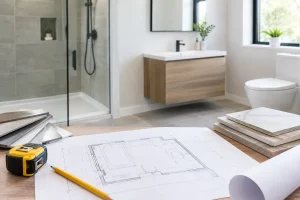

The old suite is coming out, the new design has been chosen and the fitting date is in the diary. Knowing how to prepare for bathroom fitting is what turns that exciting point into a calm, well-organised start. A bathroom renovation involves more than changing a basin or replacing tiles. It can affect water, electrics, heating, walls and flooring, so a little preparation makes a real difference.
With a fully managed installation, your fitter will guide the practical side of the project. There are still a few useful steps you can take at home to protect your belongings, make access easier and ensure everyone knows what to expect. No jargon. No stress. Just sensible preparation for a bathroom built around your home and daily routine.
Prepare for bathroom fitting before work begins
Start by confirming the final plan before the first day of work. Check that you are happy with the layout, finishes, fittings and any agreed details such as niches, grab rails, lighting positions or storage. It is much easier to make a decision before installation starts than after tiles are on the wall.
This is especially valuable where practical needs are part of the brief. If you are creating a mobility bathroom, for example, make sure the height of the basin, shower controls, shower seat and toilet has been agreed with the person using the room. For a family bathroom, think through where towels, bath toys and everyday toiletries will live. A beautiful room works best when it also makes ordinary mornings easier.
If any products are being supplied separately, ensure they are available before the fitting begins and that they are the correct specification. Your installer should know about anything outside the original plan, including a new mirror cabinet, a smart shower control or underfloor heating. Small changes can affect the installation sequence, electrical requirements or tile setting-out.
Clear the room completely
Remove toiletries, medicines, towels, laundry, bins, pictures and any freestanding furniture from the bathroom. Empty vanity units and cabinets fully, including items stored at the back. It is surprising how much can accumulate under a basin over the years.
Do not forget rooms adjoining the bathroom. Take down pictures or ornaments from walls that could be affected by vibration, and move valuable or fragile items away from the route installers will use. If a hallway has a light-coloured runner or a narrow console table, storing it elsewhere for a few days can prevent unnecessary worry.
Your fitting team will use dust protection and take care in your home, but renovation work can still create dust and regular foot traffic. Clearing space in advance helps them protect the property properly and gives them room to work safely.
Make access simple and safe
Agree practical access arrangements before the start date. This may include where the team can park, which entrance is best for bringing in materials and whether there are gates, pets or security systems to consider. If your home has limited parking or a shared driveway, letting neighbours know about the work is a thoughtful touch.
Keep the route from the entrance to the bathroom as clear as possible. Fitters may need to carry tiles, sanitaryware, tools and boards through the house, often more than once. A clear route saves time and reduces the chance of accidental knocks.
If you will not be at home during the day, establish how access will work and provide a reliable contact number. Good communication avoids delays if an installer needs a quick decision about a concealed pipe, an existing wall condition or a finishing detail.
Plan for being without your usual bathroom
Most bathroom renovations involve a period without a working toilet, basin or shower. The exact duration depends on the scope of work, the condition of the room and whether plumbing or electrical alterations are needed. Your installer can give you a realistic idea of the schedule, but it is wise to plan for some flexibility.
If you have a second bathroom or downstairs cloakroom, make it ready before the work starts. Move essential items there and make sure the household knows where everything is. Families often find it helpful to create a simple temporary morning routine, particularly when school or work timings are tight.
Where there is only one bathroom, talk through the options early. You may be able to arrange use of facilities with family nearby, book a short break during the most disruptive stage or plan around a neighbour’s help where appropriate. It depends on the size of the project, but having a plan removes a great deal of pressure.
For households with young children, older relatives or anyone with reduced mobility, this deserves extra thought. Access to a safe toilet and washing facilities is not simply a convenience. It is an essential part of making the renovation manageable.
Protect your routine as well as your home
Bathroom fitting can be noisy at certain points, particularly during removal, drilling and tile cutting. If you work from home, consider whether calls or focused work can be moved to another room, a library or a family member’s house during the busiest days.
Pets can also find unfamiliar noises and open doors unsettling. Keep them away from the work area and let the installation team know if you have a dog, cat or other animal in the house. This helps everyone work safely and prevents an unexpected escape through an open door.
You may also want to keep a small box of essentials accessible elsewhere in the home. Include medication, contact lenses, chargers, clean clothes, a hairbrush and anything you use every day. It sounds basic, but it stops you searching through packed-away bags when the bathroom is out of action.
Ask the right questions before installation day
A managed bathroom project should feel clear, not mysterious. Before work begins, confirm the expected working hours, the main stages of the installation and who your day-to-day contact will be. You do not need to understand every trade detail, but knowing what happens when is reassuring.
It is also sensible to ask how waste will be handled, where materials will be stored and what protection will be used for floors and surrounding areas. If there are particular concerns in your home, raise them early. This could be a newly fitted carpet, a difficult staircase, a cherished piece of furniture or an area where children regularly play.
Older properties can occasionally reveal surprises once the existing bathroom is removed. Hidden water damage, uneven walls, ageing pipework or previous poor-quality work may only become visible during strip-out. A professional installer will explain the issue, outline the options and discuss any impact on timing or cost before proceeding. Allowing a little contingency in both your budget and schedule is sensible, particularly in older Cambridgeshire homes.
Keep decisions focused
Once fitting is underway, it is natural to notice new ideas. A different tile layout or an extra shelf might sound appealing, but late changes can add cost and extend the programme. If something genuinely needs changing, discuss it promptly and ask what it means for the project rather than making assumptions.
The best approach is to make key choices early, then trust the agreed plan. A well-designed bathroom has already considered proportions, storage, practical access, cleaning and visual balance. Staying focused helps the team deliver the finished space you chose rather than juggling avoidable alterations midway through.
The final preparation is peace of mind
The day before fitting starts, give the bathroom one final check. Make sure it is empty, valuables are safely stored, access is clear and the household understands the temporary arrangements. Keep your phone available, but you do not need to hover over every stage of the work.
A bathroom renovation is briefly disruptive because it is changing one of the hardest-working rooms in the house. Good preparation gives your installers the space to do their job properly and gives you confidence that the result will be worth the inconvenience. Soon, the cleared room and covered floors will be replaced by a bathroom that feels more comfortable, more practical and unmistakably yours.