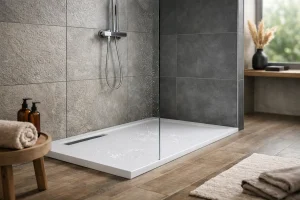

A walk-in shower can look beautifully simple on the finished day, but the tray underneath does a great deal of the hard work. In this walk in shower tray review, we are looking at what actually makes one tray worth buying over another – not just in a showroom, but after months and years of daily use.
For most homeowners, the right tray comes down to four things: how it feels underfoot, how easy it is to keep clean, how well it drains, and how confidently it can be installed in the space available. Get those right and the whole shower feels better. Get them wrong and even an expensive bathroom can start to feel like a compromise.
What matters most in a walk in shower tray review
A tray is not usually the part of the bathroom people get excited about first. Taps, tiles and wall finishes tend to grab the attention. Yet the tray affects comfort, safety and appearance every single day.
The first thing we look for is rigidity. A good walk-in shower tray should feel solid, not hollow or springy. If there is movement underfoot, that can become irritating very quickly, and in some cases it can put strain on seals and joints over time. A tray that is properly made and properly fitted should feel dependable from the first use.
The next point is surface finish. Some trays have a very smooth, glossy look, while others are more matt and lightly textured. Neither is automatically better. A smoother finish can be easier to wipe down, but a little texture can improve grip, especially for older adults or anyone wanting a safer showering space.
Drainage is another big one. A tray can look excellent and still be a poor choice if the fall towards the waste is not well designed. Standing water leaves marks, increases cleaning, and makes the tray look tired sooner than it should. In practical terms, a tray that clears water efficiently often feels more premium than one with a fancier finish but weaker performance.
Low profile or flush fit?
Many people use these terms interchangeably, but there is a useful distinction. A low-profile tray sits close to floor level and gives a sleek, modern look. A flush-fitted tray is recessed into the floor so the step in is minimal or virtually level.
Low-profile trays suit a wide range of homes because they are easier to install than a fully recessed option. They still create that clean walk-in feel without always needing major structural changes. For a lot of family bathrooms and en-suites, this is the sensible middle ground.
Flush-fitting can be excellent where accessibility is a priority. If someone is planning for long-term comfort, reduced mobility or simply wants the easiest possible entry into the shower, it can be a very worthwhile option. That said, it depends on the floor construction, the waste position and what is realistically achievable in the property.
Materials and build quality
In any honest walk in shower tray review, materials deserve proper attention because they affect both performance and lifespan. Not all trays are made the same, even when they look similar on display.
Acrylic-capped trays are common and can offer good value, especially when made by a reputable manufacturer. The better ones are reinforced well and hold up nicely in normal family use. Cheaper versions, though, can feel lighter and less substantial, and that is often noticeable once installed.
Stone resin trays are popular for a reason. They tend to feel sturdier, heavier and more refined underfoot. Many also come in slimmer profiles, which helps achieve that contemporary walk-in look. They usually cost more, but the uplift in feel and durability is often worth it for homeowners carrying out a full renovation rather than a quick refresh.
There are also designer trays with textured finishes, slate-effect styling or colour options beyond standard white. These can look striking and work beautifully in the right room. The trade-off is that appearance should not come ahead of cleaning practicality or slip resistance. A tray that looks stunning in a brochure still needs to cope with soap, limescale and everyday life.
Size, shape and layout considerations
The best tray on paper is still the wrong tray if it does not suit the room. Walk-in showers often look spacious and minimal, but making them work well takes careful planning.
Long rectangular trays are a favourite because they create a generous showering zone and allow for a fixed screen without the room feeling boxed in. They are especially effective in bathroom renovations where a bath is being replaced. In many homes, this layout gives a more open feel and can make the room easier to move around in.
In tighter bathrooms, tray depth matters. A slightly shorter tray may fit the room better, but it should still give enough splash protection in combination with the screen and shower position. Going too small can make a walk-in shower feel less luxurious and more draughty.
Waste location also deserves more attention than it usually gets. A central waste can look balanced, while an offset waste may suit the existing plumbing better and reduce disruption during installation. Neither is universally right. It is about what fits the space neatly and works reliably once the floor is closed up.
Safety and ease of use
A walk-in shower is often chosen for style, but for many households safety is just as important. That is particularly true for older homeowners, multi-generational homes and anyone future-proofing their bathroom.
A lower threshold is easier to step into and out of. That sounds obvious, but it makes a real difference in day-to-day use. If the tray also has a surface with sensible grip, the shower feels more secure without looking clinical.
This is where good design matters. A bathroom can support comfort and independence without losing its visual appeal. The best walk-in trays manage that balance well. They do not shout about being practical, but they quietly make the room easier and safer to use.
Cleaning and long-term upkeep
Nobody wants a bathroom that looks lovely for six months and then becomes hard work. Shower trays are no different.
Simple, well-finished surfaces are generally the easiest to maintain. If the tray is shaped so water drains away cleanly, there is less chance of residue building up around the waste or along the edges. That means less scrubbing and a fresher-looking shower overall.
Colour choice plays a part too. White remains popular because it feels clean, bright and timeless. Darker trays can look dramatic and contemporary, but they may show water marks and residue more readily in hard-water areas. That does not mean they are a bad idea, only that they suit homeowners who are happy to stay on top of wiping down.
Installation can make or break the result
Even the best tray can disappoint if it is badly installed. This is one of the biggest reasons we always encourage homeowners to think beyond the product alone.
The tray needs proper support, accurate levelling, well-planned drainage and careful sealing. If any of those elements are rushed, problems can appear later as poor drainage, movement, leaks or awkward detailing where the tray meets the wall and screen.
This is also why buying purely on price can be misleading. A cheaper tray may save money at the start, but if it is less forgiving to fit or less durable once fitted, the overall value is not as strong. In a full renovation, it usually makes more sense to choose a tray that suits the design, the users and the installation conditions properly.
For homeowners around St Neots and wider Cambridgeshire, this is often where a managed service becomes especially helpful. At The Bathroom Magician, we see first-hand how much smoother a project feels when the design, product choice and fitting are all considered together rather than separately.
So, what makes a good walk-in shower tray?
A good tray does not need to be the most expensive model in the showroom, but it should feel solid, drain efficiently and suit the room it is going into. It should also match the priorities of the household. For one customer, that may mean a slim stone resin tray with a very clean, modern finish. For another, it may mean prioritising slip resistance and low access for safer daily use.
The strongest options tend to share the same qualities. They are well made, sensibly proportioned, easy to clean and installed with care. They also support the overall look of the bathroom rather than fighting against it.
If you are comparing trays and feel torn between style and practicality, that usually means you need both. A well-designed walk-in shower should not force a choice between something that looks good and something that works for real life. The right tray is the one that helps your bathroom stay comfortable, dependable and easy to enjoy long after the renovation dust has settled.
Before choosing, it is worth stepping back and thinking about who will use the shower, how long you plan to stay in the property, and whether you want a feature-led finish or a quieter, timeless design. The best decision is rarely about trends alone. It is about creating a bathroom that feels right every morning without adding stress later on.