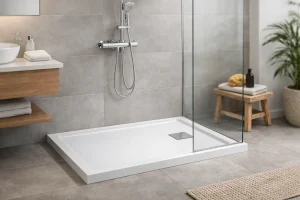

A shower tray can look like a small decision on paper, right up until the bathroom is being fitted and every millimetre starts to matter. That is usually the point when j t shower trays come into the conversation. They are a well-known option in UK bathrooms, and for good reason, but the real question is not whether they are popular. It is whether they are the right fit for your home, your layout and the way you actually use the space every day.
For most homeowners, the tray is doing more work than it gets credit for. It affects how the shower looks, how easy it is to clean, how high the step is, how water drains away and how comfortable the room feels to use. If you are renovating a family bathroom, updating an en suite or planning a more accessible shower area, choosing the right tray early can save a lot of hassle later.
Why j t shower trays are often considered
J T shower trays have built a strong reputation because they cover the needs most homeowners care about. People want a tray that feels solid underfoot, looks smart, is straightforward to maintain and works with the rest of the bathroom design. They also want something reliable enough to cope with years of daily use without becoming a weak point in the room.
That said, no shower tray is automatically the best choice in every project. A tray that works beautifully in a modern en suite may not be right for a busy family bathroom. Equally, a sleek low-profile option may look ideal, but if the floor structure or waste position does not suit it, another approach may make more sense. This is where proper planning matters.
What really matters when choosing a shower tray
Most people begin with appearance, which is understandable. A low-profile tray can give a cleaner, more contemporary look, while a raised tray may be more practical in some homes. But the visual side is only one part of the picture.
The first thing to consider is size. The tray needs to suit the room, but also the person using it. In smaller bathrooms, a compact tray can free up valuable floor space. In larger rooms, going slightly bigger often makes the shower feel far more comfortable. For older homeowners or anyone planning with mobility in mind, extra room inside the showering area can make a real difference to confidence and ease of use.
The next issue is height. If you want easier access, a low-level tray is usually the preferred route. It reduces the step in and out of the shower, which can be safer and more comfortable. However, some properties present structural limits, especially in older homes where floor levels and drainage positions are less flexible. In those situations, the best option is not always the flattest one. It is the one that can be installed properly and perform well for years.
Material and build quality matter too. Homeowners often notice this more after installation than before it. A tray that feels sturdy underfoot gives a sense of quality every single day. A poor one can flex, mark easily or simply feel less secure. That is why the tray should never be chosen on looks alone.
J T shower trays and bathroom style
A good tray should fit the design rather than fight it. If the room is aiming for a clean, modern finish, a slimline tray can help create that effect. It works particularly well with large format wall tiles, frameless glass and simple brassware. The whole space feels calmer and less cluttered.
In more traditional bathrooms, the tray still needs to feel considered. It may not be the feature that grabs attention first, but it should sit comfortably alongside the rest of the design. That means getting the proportions right and making sure the shower enclosure, wall finish and flooring all work together.
This is where homeowners can get caught out by buying individual products in isolation. A tray may look good online or in a brochure, but if it does not suit the enclosure, the tile layout or the way the room opens and closes, the finished result can feel awkward. Seeing the whole bathroom as one design, rather than a collection of separate items, nearly always leads to a better outcome.
The practical side of installation
This is the part many people underestimate. Even excellent j t shower trays still depend on proper installation. If the floor is not prepared correctly, if the waste is poorly positioned or if the enclosure is not aligned accurately, problems can follow. Those problems are rarely dramatic at first. More often, they show up as slow drainage, awkward seals, movement underfoot or cleaning frustrations that become irritating over time.
A well-installed tray should feel solid, drain efficiently and sit neatly within the room. It should also work with the surrounding finishes so there are no compromises around tiling, panel fitting or access. That sounds basic, but it is often where a managed bathroom renovation proves its value. Instead of trying to make separate parts fit together at the last minute, the whole shower area is designed and installed as one joined-up solution.
For homeowners in older properties around Cambridgeshire, that joined-up thinking matters even more. Floors are not always level, drainage can be awkward, and bathroom layouts often need careful adjustment to make the most of the available space. A tray choice that seems simple in theory can become more complex on site.
Are they suitable for mobility and accessible bathrooms?
Often, yes, but it depends on the wider design. When a bathroom needs to support safer, easier showering, the tray is only part of the answer. Access, slip resistance, enclosure style, grab support and overall space planning all need to work together.
For some people, a low-level tray can be a very good middle ground. It offers easier access than a raised step while still giving a clearly defined shower area. For others, especially where wheelchair access or future-proofing is a priority, a wet room style floor may be more suitable than a conventional tray.
There is no one-size-fits-all answer here. The best option comes from understanding how the bathroom will be used now, and how that might change in the years ahead. A stylish finish matters, but comfort and confidence matter more.
Common mistakes to avoid with j t shower trays
The biggest mistake is choosing by dimensions alone. Size is important, but it is not enough. You also need to think about the waste position, the height of the tray, the surrounding wall finish and the practicalities of installation.
Another common issue is trying to squeeze in the largest possible tray without considering the room around it. A shower should feel generous, but not at the expense of everything else. If the basin becomes cramped, the door swing becomes awkward or storage is compromised, the room can end up less practical overall.
It is also easy to focus too heavily on upfront product cost. A cheaper tray is not necessarily better value if it creates extra fitting complications or does not stand up as well over time. In bathrooms, the true cost often shows itself later.
Getting the choice right from the start
If you are considering j t shower trays, the most useful question is not simply, “Which one should I buy?” It is, “What kind of showering space do I want this bathroom to deliver?” Once you know that, the right tray becomes easier to identify.
A family bathroom may need durability, simple cleaning and enough room for day-to-day use by different ages. An en suite may lean more towards a neat footprint and a refined look. A mobility-focused bathroom may prioritise easy entry, safety and practical layout above all else. The tray should support those priorities, not dictate them.
That is why many homeowners prefer to make these decisions with design and installation advice built in. At The Bathroom Magician, we see the tray as part of a complete solution – not a stand-alone product picked in isolation. No jargon. No stress. Just a bathroom that works properly and looks right in your home.
A good shower tray should disappear into the experience of using the room. You should not be thinking about awkward steps, trapped water or whether the space could have been planned better. You should simply have a shower that feels comfortable, dependable and easy to live with. If that is the result you want, the best place to start is not with the product list, but with the way you want your bathroom to work.