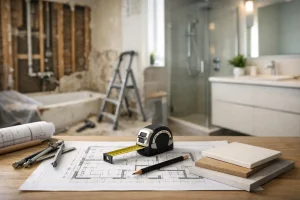

A bathroom renovation usually starts with a simple thought – the room is tired, awkward, or no longer suits the way you live. But knowing how to plan bathroom renovation work properly is what makes the difference between a smooth, well-managed project and one that feels expensive, drawn-out, and stressful.
The best bathrooms are not planned around trends alone. They are planned around real life. That means thinking carefully about who uses the room, how often it is used, what frustrates you now, and what you want the finished space to do better. Whether you are updating a family bathroom, creating a smart en suite, or designing a safer room for later life, good planning helps every decision fall into place.
How to plan bathroom renovation goals before choosing products
Most people are tempted to start with tiles, colours, or a freestanding bath they have seen online. In reality, the first step is being clear about the job your bathroom needs to do.
If the room is used by a busy family, storage and easy cleaning may matter more than statement design. If this is your forever home, accessibility and comfort may be just as important as appearance. If space is tight, layout becomes everything. A smaller bathroom can work brilliantly, but only when each fitting earns its place.
It helps to write down what is not working in the current room. Perhaps there is never enough storage. Perhaps the shower tray feels cramped, the floor stays wet, or the bath is rarely used. You may love the idea of luxury finishes, but if the practical issues are not solved first, the room will still disappoint once the novelty wears off.
Start with the layout, not the look
A successful renovation is usually won or lost on layout. Before choosing finishes, think about how the room flows and whether the current arrangement still makes sense.
Keeping the toilet, basin and shower or bath in roughly the same positions can help control costs, because pipework changes are often more involved than people expect. That said, moving things can be worthwhile if the existing layout wastes space or makes the room uncomfortable to use. It depends on the room, the structure of the property, and what matters most to you.
For example, replacing a bulky bath with a walk-in shower can completely change how a room feels. In another home, keeping a bath may be the right move for young children or future resale appeal. There is no single best answer. The right layout is the one that suits your household now and still makes sense a few years from now.
When planning, think about door swings, clear floor space, towel access, mirror position, and whether drawers or cabinet doors can open properly. These small details are easy to miss on paper, but they have a big effect on everyday use.
Set a realistic budget with room for decisions
One of the most useful parts of learning how to plan bathroom renovation projects is understanding where your budget really goes. Homeowners often focus on the visible items – sanitaryware, brassware, tiles, furniture – but labour, preparation, plumbing, electrics, waterproofing, and finishing work are just as important.
A cheaper product that looks good at first glance is not always better value. In bathrooms, durability matters. Better-quality fittings tend to feel sturdier, work more reliably, and stand up better to daily use. They can also make maintenance easier, which matters more over time than many people realise.
It is wise to allow some contingency in the budget as well. Once old fittings are removed, hidden issues such as damaged subfloors, tired pipework, or poor previous workmanship sometimes come to light. Not every project uncovers surprises, but planning for the possibility makes the process less stressful.
If the budget is fixed, decide where to spend and where to keep things simpler. You might invest in a high-quality shower, fitted furniture, or wall panelling, while choosing a more understated tile range. A good renovation is about balance, not spending for the sake of it.
Choose materials that suit your lifestyle
Bathrooms need to cope with heat, steam, cleaning products, and constant daily use. That is why material choice should never be based on appearance alone.
Porcelain tiles are popular because they are durable and easy to maintain. Large-format tiles can create a cleaner, more open look with fewer grout lines, though they may not be ideal in every compact room. Wall panelling can be an excellent option if you want a neat finish with less maintenance and quicker cleaning.
For furniture, think beyond style. Drawer storage is often more practical than cupboards because it gives easier access to the full depth of the unit. Worktops and basin surrounds should be able to cope with splashes and regular use without becoming hard work to keep looking good.
Brassware is another area where quality matters. Taps and showers are among the most handled items in the room. Choosing reliable products with a solid finish can save frustration later.
Plan lighting, heating and ventilation early
These are the details people often leave too late, yet they shape how the bathroom feels every day.
Lighting should work on more than one level. You need practical light for shaving, make-up, cleaning and general use, but softer lighting can make the room feel much more comfortable in the morning or evening. Mirror lighting, ceiling spots, and subtle accent lighting can all play a part if planned properly.
Heating is not just about warmth. It is about comfort and moisture control. Underfloor heating gives an uncluttered finish and can feel especially luxurious in colder months, while heated towel rails offer a practical place for towels to dry. The right option depends on the room size, floor build-up, and budget.
Ventilation is essential. A beautiful bathroom that does not deal with moisture properly will not stay looking its best. Good extraction helps prevent condensation, mould, and damage to finishes. It is not the exciting part of a renovation, but it is one of the most important.
Think carefully about storage
A bathroom can look immaculate on installation day and cluttered within a week if storage has been treated as an afterthought.
Good storage is about putting the right things in the right place. Everyday items should be easy to reach. Spare toiletries, cleaning products, and towels need their own home. In smaller bathrooms, fitted furniture often makes better use of awkward space than off-the-shelf pieces.
Recessed shelving in a shower area, vanity drawers with organisers, mirrored cabinets, and tall storage units can all help, but only if they are chosen with your routine in mind. It is worth asking yourself what actually needs to be stored there and who needs to access it.
Accessibility should be part of the conversation
Accessible design is not only for major mobility needs. Many homeowners now want bathrooms that feel safer, easier, and more future-proof without looking clinical.
A level-access shower, non-slip flooring, wider movement space, comfort-height fittings, and supportive details such as grab rails can all be incorporated in a stylish way. If you are renovating with later life in mind, planning these elements now can be far easier and more cost-effective than changing the room again later.
This is one area where expert design advice is especially valuable. A bathroom can be both attractive and practical, but the balance needs careful thought.
Decide how you want the project managed
Even a modest bathroom renovation involves several moving parts. Design decisions, deliveries, plumbing, electrical work, tiling, flooring, decorating, and final finishing all need to happen in the right order.
This is where many homeowners underestimate the value of a managed service. Coordinating separate trades yourself can seem manageable at first, but delays, communication gaps, and product issues can quickly become time-consuming. Having one specialist team oversee the whole project often makes the experience far smoother.
For homeowners around St Neots and across Cambridgeshire, that is often the real advantage of working with a company such as The Bathroom Magician. Instead of juggling installers, suppliers and design choices alone, you have a single point of contact from concept to completion. No jargon. No stress.
How to plan bathroom renovation timelines realistically
Most people want the work finished as quickly as possible, which is understandable. But a realistic timeline depends on more than installation days alone.
There is the design stage, product selection, ordering lead times, and preparation before work begins. Some items arrive quickly, while others can take longer, especially if they are bespoke or part of a coordinated range. Rushing decisions to save a week at the start can lead to compromises you live with for years.
During installation, the age and condition of the property can also affect timings. Older homes sometimes reveal hidden issues once the room is stripped out. A good plan allows for that possibility rather than pretending every project runs exactly to script.
The most successful bathroom renovations tend to be the ones where decisions are made clearly, products are chosen with care, and the work is guided by an experienced team. If you give proper thought to layout, budget, materials, comfort, and long-term use, the finished room will not just look better. It will feel easier to live with every single day.