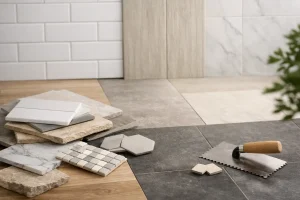

A bathroom can look beautiful in a showroom and still be wrong for your home. That usually comes down to the details – and few details matter more than your choice of tiles for walls and floor. Get that choice right, and the room feels cohesive, easy to maintain and built for real life. Get it wrong, and even an expensive renovation can feel cold, awkward or high-maintenance.
In most bathrooms, tiles do more than provide a finish. They deal with steam, splashes, cleaning products, muddy feet, bare feet and daily wear. That means the best option is rarely just the one that looks nicest under bright showroom lights. It needs to suit the size of the room, the way you use it and the level of upkeep you are happy to live with.
How to choose tiles for walls and floor
The first thing to know is that wall tiles and floor tiles are not always interchangeable. Some ranges are designed to work across both surfaces, which can create a calm, joined-up look. Others are made specifically for walls or specifically for floors, and there is a good reason for that.
Floor tiles need to cope with weight, regular foot traffic and, in a bathroom, the risk of water underfoot. Wall tiles do not face the same demands, so they can be lighter, more decorative or more delicate. If you have found a tile you love, it is worth checking whether it is suitable for where you want it to go rather than assuming a matching look means universal use.
This is where planning matters. A family bathroom used by children before school has different demands from a quiet en suite. A mobility bathroom needs different flooring priorities from a guest cloakroom. The right tile choice depends on who is using the room and what the space needs to do every day.
Matching the tile to the bathroom, not just the trend
Trends can be useful for inspiration, but bathrooms are long-term investments. Most homeowners are not changing their suite or tiles every couple of years. That is why it usually makes sense to start with practicality and then build the style around it.
Porcelain is often a strong choice for bathroom floors because it is hard-wearing, low maintenance and available in a wide range of finishes. It can mimic stone, concrete, marble or wood while being easier to care for than some natural materials. Ceramic can work very well on walls, especially if you want decorative shapes, softer finishes or a more budget-conscious option.
Natural stone has undeniable character, but it comes with more upkeep. Some people are happy to seal and maintain it for the look and texture it brings. Others prefer the convenience of porcelain that gives a similar effect with less fuss. Neither choice is automatically better. It depends on what matters most to you.
Large tiles or small tiles?
This is one of the most common design questions, and the answer is not simply about room size. Large tiles can make a bathroom feel calmer and less visually busy because there are fewer grout lines. They often suit modern schemes and can help a compact room feel more open.
Smaller tiles, including mosaics, can add texture, detail and grip. They are particularly useful in shower areas, on sloped wet room floors or in spaces where you want a decorative feature. The trade-off is that more grout means more lines to keep clean, so they need to be used thoughtfully.
A balanced approach often works best. Larger format tiles on the main walls and floor can create a clean backdrop, while smaller tiles are used to frame a niche, define the shower or add interest without taking over the whole room.
Style matters, but so does slip resistance
A glossy wall tile can bounce light around beautifully. The same glossy finish on the floor may not be the best idea in a bathroom used by children, older relatives or anyone with limited mobility. This is where appearance and safety need to work together.
Floor tiles should feel secure underfoot, especially in shower zones and wet rooms. That does not mean the floor has to look overly industrial or rough. Many modern tiles offer a refined finish with the right level of grip for bathroom use. It is about choosing the right product for the right place.
If accessibility is part of your planning, flooring becomes even more important. A level-access shower, a practical layout and suitable floor tiles can make a huge difference to confidence and comfort. Good bathroom design should never force you to choose between safety and style.
Colour, light and the feel of the room
Tile colour changes the mood of a bathroom more than many people expect. Pale tones can help a smaller room feel brighter and more spacious, particularly where natural light is limited. Warm neutrals often create a softer, more welcoming feel than stark white, which can sometimes look clinical if not balanced with texture.
Darker tiles can look striking and luxurious, but they need careful handling. In a room with little daylight, very dark walls and floors can close the space in unless they are balanced with good lighting, reflective surfaces or lighter sanitaryware. They can also show water marks and residue more clearly, depending on the finish.
If you want a timeless look, stone-effect greys, warm beiges and soft earthy tones tend to age well. If you want more personality, pattern can work beautifully in the right place. A feature floor or a statement wall behind the basin can add character without overwhelming the room.
Should walls and floors match?
Not always. Matching tiles for walls and floor can create a sleek, hotel-style finish and make a room feel larger by reducing visual breaks. It works especially well in contemporary bathrooms and wet rooms.
That said, contrast can be just as effective. A lighter wall tile with a darker floor can anchor the room and make cleaning feel more forgiving in everyday use. The key is coordination rather than strict matching. Tones, textures and finishes should feel intentional together.
Grout, maintenance and everyday living
Tiles often get the attention, but grout has a big effect on the finished result. A contrasting grout line can emphasise shape and pattern. A closely matched grout creates a quieter, more seamless look. Both can work well, but they change the overall feel of the room.
Maintenance matters too. Very light grout on a floor may need more regular attention, while very dark grout can sometimes show limescale in hard water areas. The right balance depends on your cleaning routine and how low-maintenance you want the room to be.
It is also worth thinking about texture. Deeply textured tiles can look fantastic, but they may hold onto more dirt or soap residue in splash-prone areas. In family bathrooms, simple finishes that wipe down easily often prove their value quite quickly.
Why professional planning makes a difference
Choosing tiles from a sample board is one thing. Seeing how they will work with your room shape, lighting, shower area, storage and fittings is another. That is why tile selection is best treated as part of the whole bathroom design, not as a final add-on.
Layout affects the end result as much as the tile itself. Where cuts fall, how patterns align, whether the floor runs into the shower area cleanly, and how the tile meets trims, niches and corners all influence the finished look. These details are easy to overlook at the start and very obvious once the bathroom is installed.
This is where a managed approach can remove a lot of stress. At The Bathroom Magician, tile choices are considered alongside the full design so the practical side and the visual side work together from the beginning. That helps avoid costly changes later and gives homeowners more confidence in the finished scheme.
The best tiles for walls and floor are the ones that suit your life
There is no single best tile for every bathroom. The right choice might be a large-format porcelain that keeps a busy family room easy to clean. It might be a softer, warmer-toned tile that makes an en suite feel more restful. It might be a slip-resistant floor paired with simpler wall finishes to support safe, comfortable daily use.
What matters is choosing with the whole room in mind – style, safety, maintenance, budget and how long you want the bathroom to serve you well. A good bathroom should not just look right on day one. It should still feel right on an ordinary Tuesday morning six years from now.
If you are weighing up samples and second-guessing your options, that is perfectly normal. The best tile decisions are rarely about following fashion. They come from understanding how you live and choosing finishes that make that life easier, more comfortable and better looking at the same time.